Stop hunting for answers. Arphie's AI integrates with your sources of truth to complete Requests for Information (RFIs) with accuracy, in a fraction of the time.
Ready to automate your RFI responses? Book your demo.











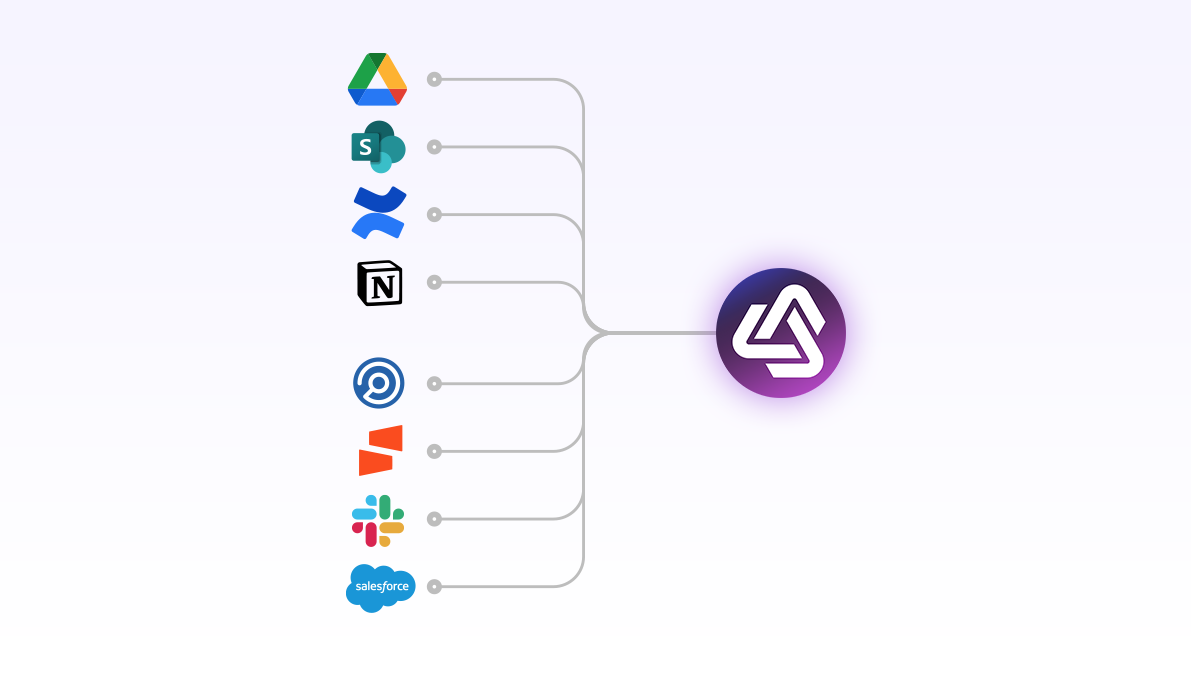
Arphie connects directly and securely to where the latest and greatest content lives, ensuring the best and most accurate information (product specs, compliance documentation, capability statements, previous RFI responses, and pricing frameworks) is used for your RFI responses. No more spending countless hours, days, and weeks on manual content management.
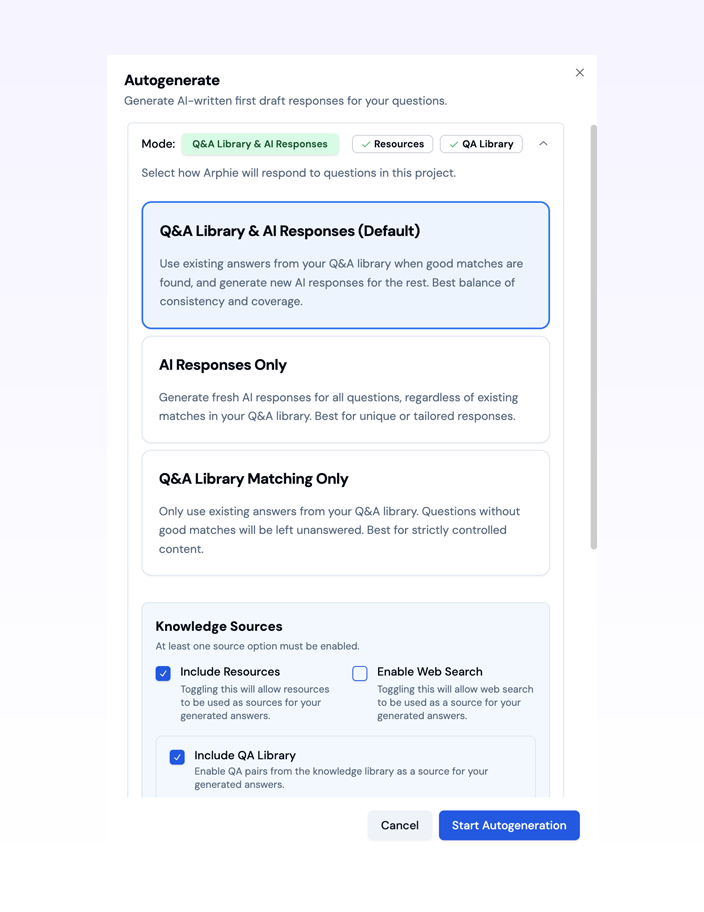
You have full control over how Arphie's AI agents write your RFI responses, ensuring it uses the same style and approach as your team for consistency. Adapt detail level for early-stage evaluation. Ensure consistency across simultaneous RFIs from different prospects.
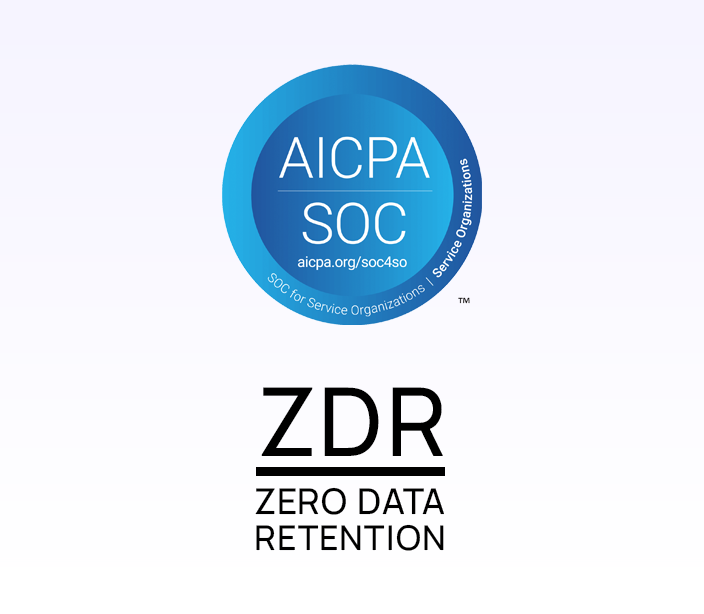
Arphie is SOC 2 Type 2 compliant, never shares data between customers, and has custom enterprise-level Zero Data Retention (ZDR) agreements in place with model providers.
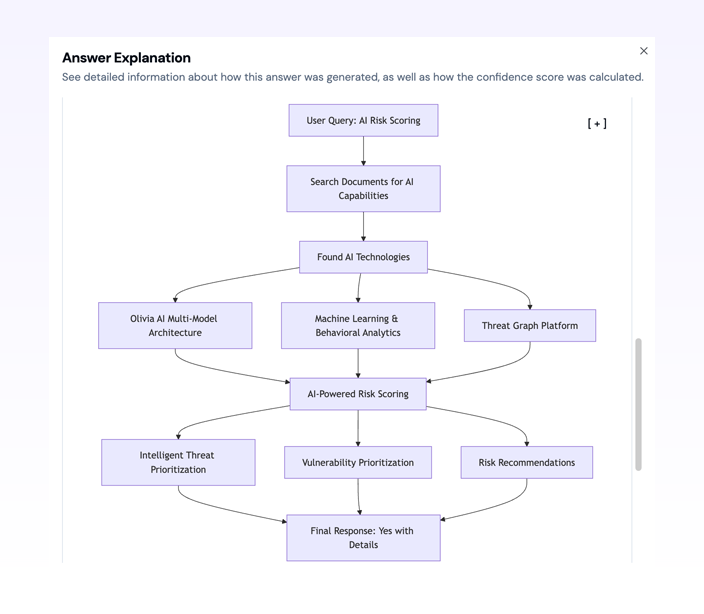
In addition to sources and confidence, Arphie goes a step further, diagramming the logic AI agents use to write responses. No more second guessing where information comes from.
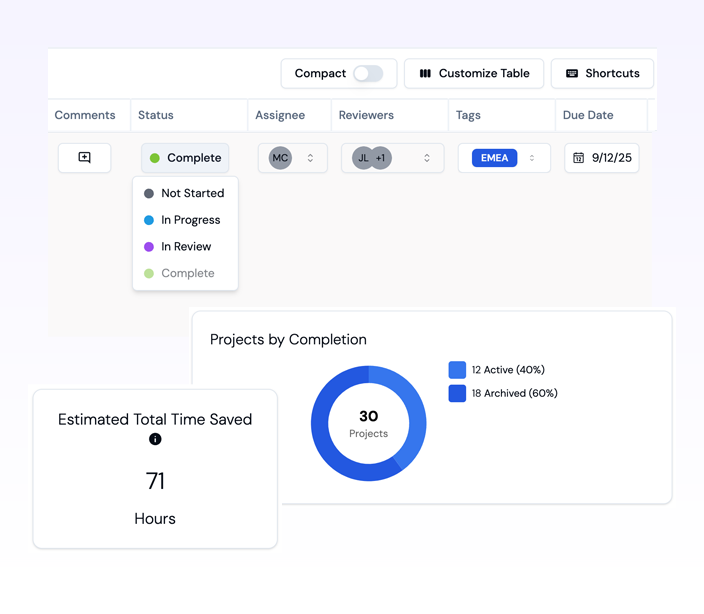
Route technical questions to engineering, compliance to legal, pricing to finance. Track progress across contributors.
Responding to RFIs quickly and accurately is what gets you on the shortlist — and AI-powered RFI automation makes that possible at scale. The process starts with RFI intake, where you upload or import the incoming request directly into the platform. From there, the AI scans your connected knowledge base to surface the most relevant answers from your existing content, past responses, and approved materials. It then generates a draft response complete with confidence scores and source citations, so your team knows exactly where each answer comes from.
Next, the draft moves into team review and approval, giving subject matter experts a chance to refine or confirm the content before it goes out. Finally, the completed response is submitted — faster and more consistently than any manual process could achieve. As the saying goes, "Getting on the shortlist means responding first with accurate, complete information."
With RFI AI built into your workflow, speed and quality no longer have to be a trade-off.
Not all procurement documents are created equal, and understanding the difference is key to winning more business.
RFIs are earlier-stage, broader information requests used for vendor shortlisting — they come before the RFP and set the stage for who gets invited to bid. At this phase, speed gets you on the shortlist while a slow response gets you excluded entirely.
Accuracy at the RFI stage also builds credibility before the RFP process even begins, signalling to buyers that your team is organised and reliable. Generic tools weren't built for this — RFI software and the best RFI software on the market are purpose-built to handle the volume, speed, and consistency that RFIs demand.
Winning more business starts with responding faster — and Arphie's RFI automation software gives your team the edge they need. By connecting directly to your knowledge base, Arphie instantly surfaces the right answers, generates draft responses, and routes them for review, all in one seamless workflow. No more chasing down subject matter experts, copying content between documents, or losing track of deadlines. Whether you're handling a handful of RFIs or managing a high volume across multiple opportunities, Arphie scales with your team and keeps every response consistent, accurate, and on time. The result is less time on admin and more time focused on the deals that matter.
RFI automation software is a tool that streamlines the process of responding to Requests for Information. It connects to your existing knowledge base and uses AI to generate accurate, consistent draft responses. This reduces the manual effort involved in gathering information and formatting replies. Teams can review and approve responses before submission, maintaining quality control throughout. The result is faster turnaround times and more competitive RFI responses.
AI improves RFI response quality by pulling answers directly from your verified content and past responses rather than starting from scratch. It surfaces the most relevant information and attaches confidence scores so reviewers know how reliable each answer is. Source citations make it easy to trace where content came from and update it if needed. Over time, the system learns from approved responses to get more accurate. This means less risk of inconsistent or outdated information making it into submissions.
RFI software is designed for the early vendor shortlisting stage of procurement, while RFP software handles the more detailed proposal stage that follows. RFIs tend to be broader and faster-moving, requiring quick turnaround across many questions. RFP responses are typically longer, more structured, and involve deeper collaboration across teams. Using specialised RFI software ensures your team can respond at the speed the RFI stage demands. Combining both tools gives you coverage across the entire procurement cycle.
Arphie integrates with the tools your team already uses to store and manage content, including CRMs, cloud storage platforms, and internal knowledge bases. This means the AI can draw on your most up-to-date materials when generating RFI responses. Integrations also allow responses to flow smoothly into your existing workflows without manual data entry. Your team can work from familiar tools while Arphie handles the heavy lifting in the background. Reach out to the Arphie team for a full list of supported integrations.
With Arphie, teams can dramatically cut the time it takes to complete an RFI response compared to manual methods. The AI instantly scans your knowledge base and generates a draft, eliminating the back-and-forth of tracking down answers from multiple stakeholders. Most of the time savings come in the early stages — intake and drafting — which are typically the biggest bottlenecks. Teams can then focus their energy on reviewing and refining rather than building responses from scratch. The result is faster submissions without sacrificing the accuracy buyers expect.


